
What Is the Minimum CIBIL Score Required for Credit Card Approval in 2026?


Bio
Shreyansh Singh, an IIT Kanpur alumnus, has eight years of experience in the finance industry. He has spent 5 years at American Express developing mid to long-term strategies for multiple markets including US, Europe and India. Shreyansh currently leads Growth and Strategy initiatives at Pice.
- 29 Jan 26
- 7 mins

Share


What Is the Minimum CIBIL Score Required for Credit Card Approval in 2026?
 Shreyansh Singh
- 08 Mins
- 29-01-26


Key Takeaways
- The minimum CIBIL score required for credit card approval in 2025 is generally 750, but it varies by bank.
- Applicants with scores below 750 may still qualify for secured or fintech cards.
- A higher score not only improves approval chances but also helps you get a higher credit limit.
- Income, employment stability, and credit behaviour also matter for eligibility.
- Timely payments and low credit utilisation can help you reach the minimum CIBIL score required for credit card approval faster.
Last year's reports from TransUnion CIBIL indicate an improvement in credit culture, with the share of prime-rated borrowers rising to 55%. This reflects a growing focus on maintaining healthy credit profiles.
But, does every new credit card applicant need a score of 750 or more to get approved, or is there any minimum CIBIL score required for credit card approval? If this is your question, this blog is here to clear all your doubts.
What is a CIBIL Score?
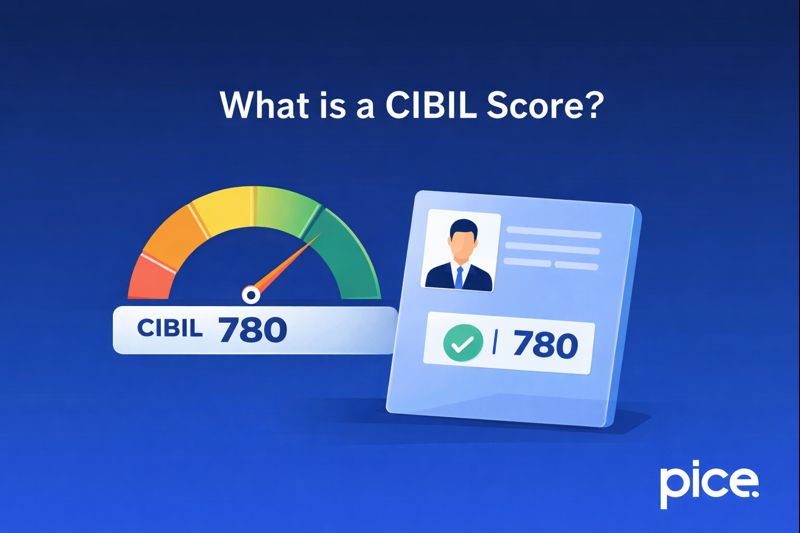
Before we move directly on to discuss the minimum CIBIL score required for credit cards, let us first quickly understand what exactly a CIBIL score is.
A CIBIL score is a 3-digit number ranging from 300 to 900. It is the statistical reflection of your creditworthiness. A high score means you are financially responsible.
A low score, on the other hand, stands as a risk to lenders. For example, someone with a score of 780 is more likely to get approval for a credit card than someone with a score of 650.
What Is the Minimum CIBIL Score Required for Credit Cards in 2026?
The minimum CIBIL score required for credit cards varies between banks. In 2026, most reputed banks prefer a CIBIL of 750 and higher.
It does not mean that applicants with a score below 750 will not be able to get a credit card. Although one must note that low scores can result in reduced limits.
Suppose a person has a score of 755. He/she applied for a credit card and got approved with a limit of ₹1,50,000.
Another person with a score of 690 applied for the same card but got rejected. In such cases, the applicant can opt for a secured credit card and slowly improve their score.
Don’t know your CIBIL score yet? Check it for free at Pice, the all-in-one app for all your credit card payments!
Must reads
5 Tips to Improve Your CIBIL Score
- Pay Bills On Time
Time is the ultimate parameter that can improve or reduce your score. If you make timely payments, your score will increase and the trust between you and banks will be maintained.
Otherwise, you can face a significant drop in your score along with late fees and an increased interest rate. Hence, you can set up reminders to maintain on-time payments.
- Reduced Debt-to-credit Ratio
The debt-to-credit ratio, also known as the credit utilisation ratio, is the proportion between the amount you borrowed and your credit card limit. If possible, try keeping this at around 30% every month.
Using the credit limit nearly or entirely every month sometimes shows that you are facing trouble in financial management and ends up impacting your CIBIL score.
- Strengthen Your Credit History
Building your credit history is not a one-time process; every borrower needs around 6 to 12 months to build a strong credit history. The monthly credit report takes everything into account, including how much you borrowed, if you have gone over the limit or missed any payment.
If you pay your bills timely and maintain a healthy debt-to-credit ratio, you will be creditworthy to lenders. This will help you get approval for an extended limit and even a larger loan amount in future.
- Quit Applying for Multiple Cards
It is important to know that when you apply for a new credit account, be it a card, a loan or an overdraft, it leads to an inquiry. Excessive application within a short span can reduce your credit score by up to 10%.
- Get a Loan for Long Tenure
When you opt for a long-term loan, you can easily meet all the repayment obligations. Though in a long-term loan you will have to pay more interest over the repayment period, it helps to create a good credit history.
💡For your bill payments and tracking business transactions, use the PICE App.
Why is CIBIL Score Important for Credit Cards?
Banks use your CIBIL score to decide if they can trust you with credit. A higher score improves your chances of approval. Your score is a reflection of your financial behaviour. By checking the CIBIL score, banks scrutinise applicants’:
- Existing loans and debts
- Credit card usage history
- Length of credit history
In addition to the CIBIL score, banks also look at:
- Income: A higher income can improve approval chances.
- Employment Stability: A steady job offers financial security.
- Existing Debts: Low debts increase the probability of approval.
- Credit Behaviour: Timely payments and low utilisation are important.
Suppose your score is 720, but you have high outstanding debts; your application might get rejected. Conversely, someone with 710 CIBIL and a stable income can get approval.
3 Alternative Credit Cards for Low CIBIL Scores
Since 750 is the minimum CIBIL score required for credit card at most banks, people with lower scores can opt for:
- Secured Credit Cards: Secured credit cards are a safe option for borrowers. Since these cards allow banks to use fixed deposits as collateral, it is easier to get approval.
- Fintech Cards: Currently, fintech companies are also offering credit cards with low limits as per digital transactions and UPI usage.
- Add-on Credit Cards: Becoming an add-on cardholder on a family member's credit account is also helpful. While the primary cardholder is responsible for the account, you can use the card if needed.
For example, if you have a score of 680, you can apply for a secured card with a certain deposit. After a year of timely payments, your score increased to 735. Then, you would be qualified for a regular credit card.
Must reads
Conclusion
Knowing the minimum CIBIL score required for a credit card is crucial for first-time applicants. As discussed, in 2025, most banks prefer a score of 750 or above.
However, your income, employment history and credit behaviour also matter. By employing the above-mentioned tips, you can improve your score.
However, even if your score is low, options like secured or fintech cards can help you start building your credit history. With patience and good financial habits, you can qualify for your first credit card confidently.
FAQs
What is the minimum CIBIL score required for credit card approval in 2026?
Most banks prefer 750 as the minimum CIBIL score required for credit card approval in 2026.
Can I get a credit card with a CIBIL score below 750?
Yes, even if you don’t meet the minimum CIBIL score required for credit card approval, secured and fintech cards are available.
Does income matter more than the minimum CIBIL score required for credit card approval?
Income matters, but banks usually consider it along with the minimum CIBIL score required for credit card approval.
How long does it take to reach the minimum CIBIL score required for credit card approval?
With disciplined repayment habits, you can reach the minimum CIBIL score required for credit card approval in 6–12 months.
Can a secured credit card help me meet the minimum CIBIL score required for credit card approval?
Yes, secured cards are an effective way to improve your score.
Read More About Credit Card



About the author

Key Takeaways Is interest charged on credit cards tax deductible?...
 0
0
0
Related Articles





×


Want an answer to all your B2B Payment Problems?
Pay your Vendors and Collect from customers with ease using Pice's Payment Solutions. Get:
-
 Instant Transfer
-
 Lowest Rates
-
 Credit on all transaction